Our Domains
Health & Sanitation
Healthcare is one of the most underfunded and underdeveloped sectors in India. Public spending is among the lowest in the world (4% of GDP as compared to 8-20% in developed economies). Per capita expenditure on healthcare in countries like the United States is approx 150 times that in India. Poor infrastructure, lack of human resources, & rising healthcare costs are some of the problems facing this critical sector. We at A Better Earth Foundation are working to provide innovative, affordable, and more feasible interventions that could improve the availability, accessibility, and quality of healthcare services.
Key Focus Areas
Safe drinking water
Last-mile delivery of basic healthcare services
Nutritional awareness
Our Project(s)
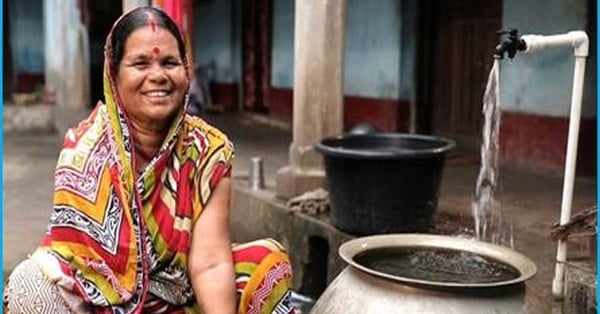
Jal-Dhan
Objective: To provide safe drinking water through community water services.
Rationale:
30 lakh people (including 12 lakh children) in the world die each year because of water-related diseases. In India alone, over 1 lakh people die of water-borne diseases annually with diarrhea being the major cause.
Groundwater in one-third of India's 600 districts is not fit for drinking because the concentration of fluoride, iron, salinity & arsenic far exceeds the tolerance levels.
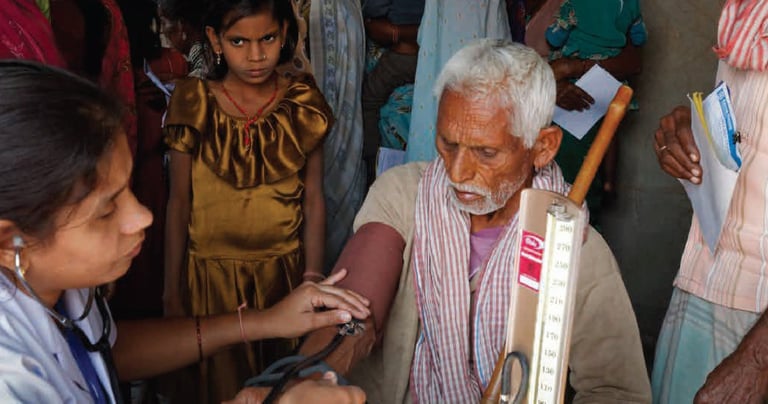
Sanjeevani
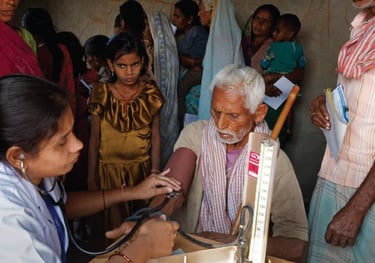
Objective: To provide quality healthcare services in rural India.
Rationale:
50% of villagers have no access to modern healthcare services.
In 2023, India had only 0.7 doctors & 1.1 nurses per 1000 population in India (OECD).
80% of all doctors, 26% of nurses & 78% of ambulatory services lie in the private sector. These figures highlight the lack of human resources and infrastructure, and the urgent need for innovative solutions to reach people, even in remote areas.
Swayam
Objective:
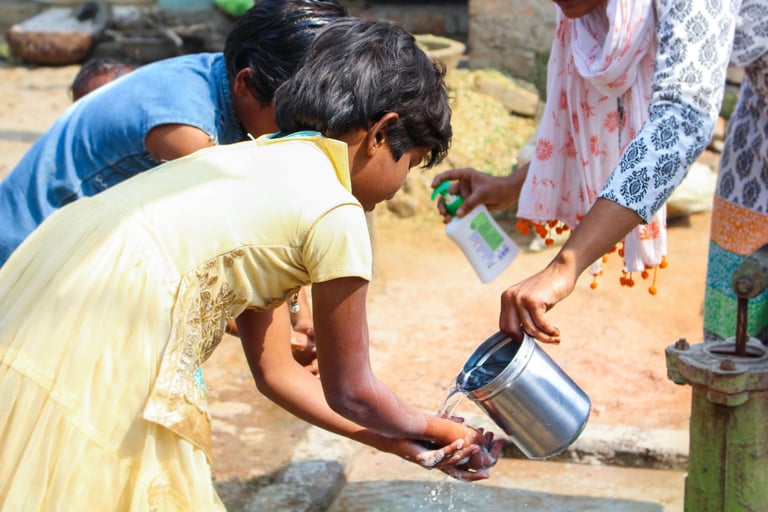
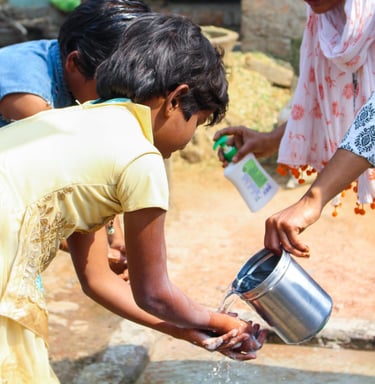
Reduce the prevalence of Water, Sanitation, and Hygiene (WASH)-related diseases.
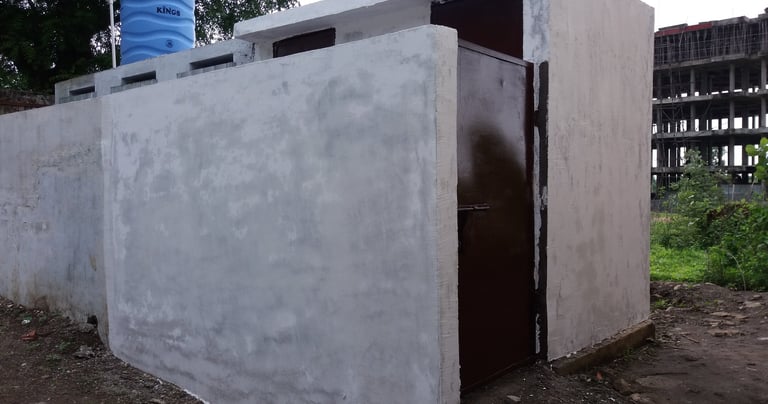
To solve the sanitation problem through installation of customized cost-effective toilets, and water treatment plants.
Inculcate sustainable hygiene practices in the target community.
Rationale:
75% of the rural population did not have access to decent sanitation and 67% of rural households have no Toilets.
5 of the 10 top killer diseases of children aged 1-14 in rural areas are related to water and sanitation
Our Domains
Education
"No country can really develop unless its citizens are educated." - Nelson Mandela
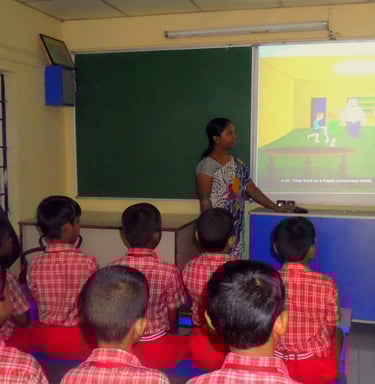
Education gives people the knowledge & skills they need to live better lives. It can boost productivity & open doors to jobs & credit. We work towards putting children in schools as well as improving the learning outcomes of schooling.
Problem Statment
According to UN data, India is home to the largest number of illiterate adults on the planet with over 31 crore illiterates.
Schools in India also suffer from low standards of education. ASER Report, 2023, reveals that half of all the children in class V have not yet learned basic skills that they should have learned by class II.
High dropout rates: although 96% of children in the age group 6-14 years are enrolled in school, around 20% of those drop out after class V, & 50% drop out after class X.
Insufficient infrastructure: 25% of schools do not have drinking water facilities, 35% do not have usable toilets & only 20% have computer facilities.
Key Focus Areas
Our modus operandi is as follows
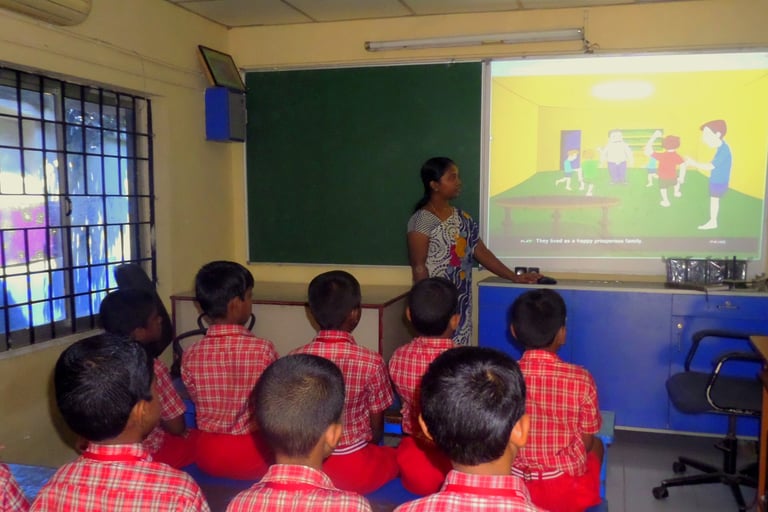
Experiential learning using technology
Pedagogy development and teacher training
Career guidance & counseling
Our Project(s)
Aadarsh Vidyalaya
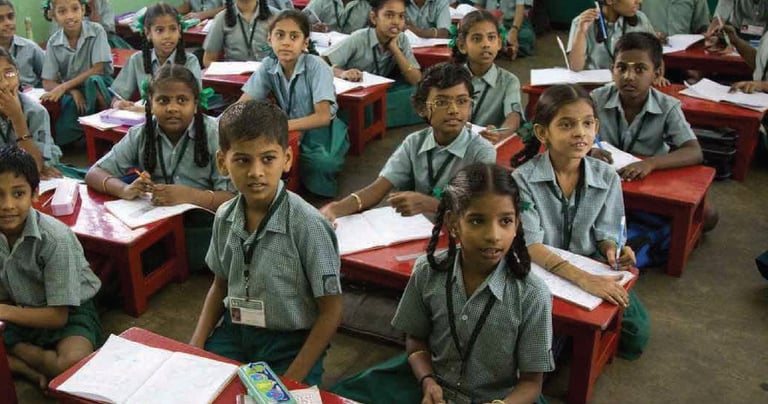
Objective: To provide holistic quality education to children with limited opportunities by setting up model schools nationwide.
We focus on the following activities to ensure the holistic development of students:
Personality Development.
Experiential Learning.
Remedial Education & Follow-up Measures (additional support & special care for laggards or students with learning disabilities)
Evaluation (real-time evaluation across broad learning outcomes)
Career Counseling.
Training (vocational courses, sports & other arts such as music, painting).
Our Domains
Skill Development
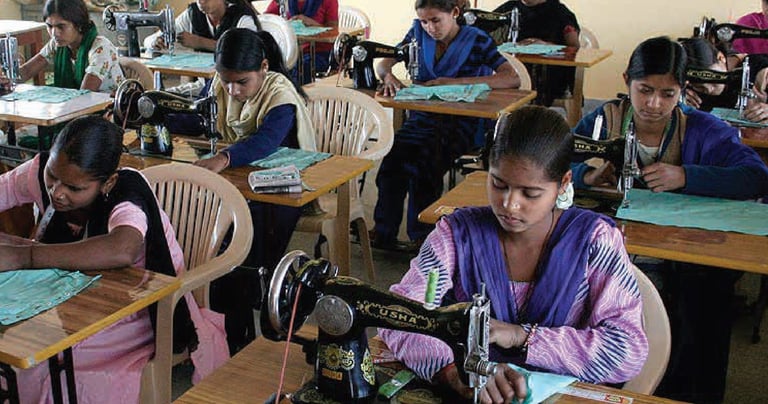
India is one of the youngest nations in the world with more than 60% of the population in the working age group. By 2025, the global economy is expected to witness a skilled manpower shortage to the extent of 5.6 crore. We see this as an opportunity to play a pivotal role in the skilling value chain from awareness, mobilization, training & placement to post-placement support.
Key Focus Areas
Skill training & placement
Awareness & mobilization
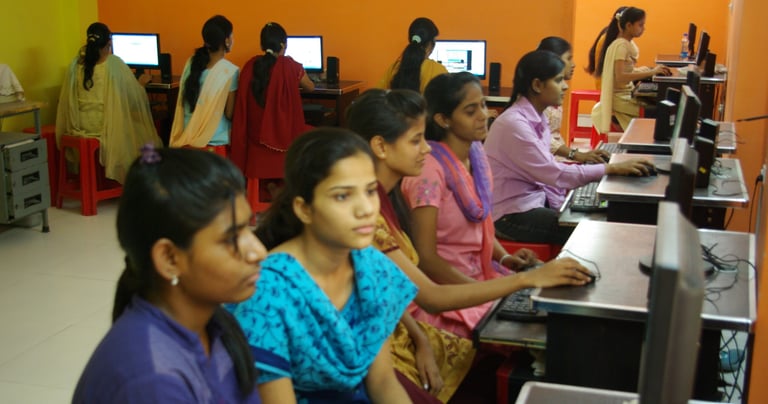
Digital & financial literacy
Our Project(s)
Unnati
Objective: To provide holistic quality education to children with limited opportunities by setting up model schools across the country.
Rationale:
The annual skilling capacity in the country is less than 1/3rd of the required 22 million. This is further dwarfed in front of the total skilling requirement in the country of 500 million by 2028.
Only 2.3% of our total workforce has undergone formal skill training as opposed to 68% in the UK, 75% in Germany & 96% in South Korea.
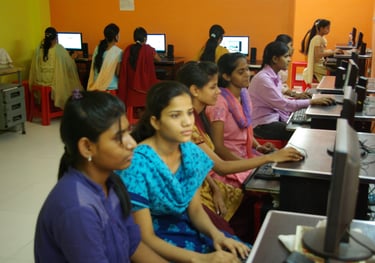
Digital Literacy Program
Objective: Enable the rural population of the country to reap the advantages of the digital revolution.
Mode of Operation: Cluster approach to establish digital panchayats where every villager will be provided with quality digital technology training.
Baseline Survey.
Village Champions (identifying digital/financial champions from the local population).
Awareness & Mobilization
Stakeholders Group (women's groups, farmer cooperatives & other influential personalities to act as gateways).
Interactive learning (well-researched & interactive teaching module).
Support System (for further information and handling queries).
Our Domains
Model Village Program
"India lives in its villages." - Mahatma Gandhi
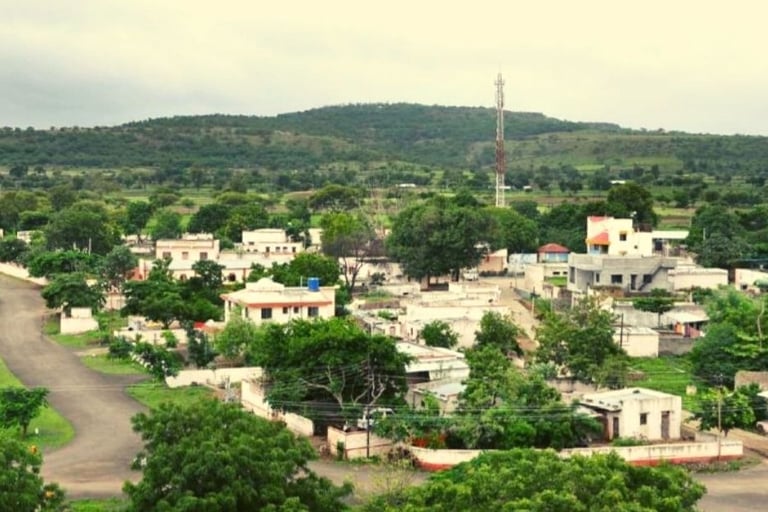
In India, nearly 69% of the population lives in villages. Despite the rapid economic growth and implementation of various rural development programs, rural India is still characterized by mass poverty, low levels of literacy, high unemployment, poor nutrition & health status. The benefits of strong economic growth are yet to trickle down to the villages and there is an urgent need to develop innovative & sustainable solutions to improve the quality of life of our rural areas.
Key Focus Areas
Livelihood
Capacity building
Hygiene & sanitation
Education
Our Project(s)
Gram Utthan
Objective: To develop a (central) village into a sustainable ecosystem where every individual has access to basic amenities & services to improve their level of well-being & happiness. To trigger the development of surrounding villages through learning from the central village.
Rationale:
80% of the poor in India live in villages.
31% of rural India is still illiterate.
35% do not have pucca-house & 60% of rural households do not have access to toilets.
Only 46% have access to drinking water within their premises.